Expanded States and Mortality Anxiety: Understanding Fear, Acceptance, and Living More Fully
Wednesday, May 20, 2026 | 12:00 PM EST - 12:45 PM EST
For many people, fear or anxiety around death emerges during moments of illness, aging, or major life change. It can even surface for people who otherwise feel healthy and successful. Questions about meaning, unfinished business, regret, and what lies ahead can feel overwhelming, even for those who have lived rich and purposeful lives. There has been interest in how expanded states of consciousness may influence how people relate to mortality and existential uncertainty - and living more fully.
According to a study by Johns Hopkins, participants reported having less fear of death and dying after an experience involving expanded states of consciousness, with a lasting positive effect by providing personal meaning, spiritual significance, and psychological insight.
In addition, a study looking at patients with life-threatening cancer found that experiences involving expanded states of consciousness produced immediate, substantial, and sustained improvements in anxiety and depression, and led to decreases in cancer-related demoralization and hopelessness, improved spiritual wellbeing, improved attitudes towards death and increased quality of life.
What We’ll Explore
How fear of death and existential anxiety show up across different stages of life and why it is so common
What current research suggests about how expanded states of consciousness may affect fear, meaning, and emotional perspective near the end of life
How people describe changes in their relationship to mortality following these experiences
The relationship between mortality and purpose, meaning, and legacy
Why these experiences are not about escaping death, but about changing one’s relationship to it
Our Speakers
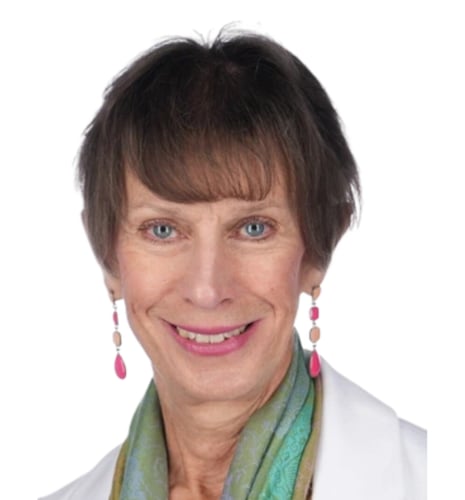
Christine Caldwell
Founder and Executive Director of EOLPC.
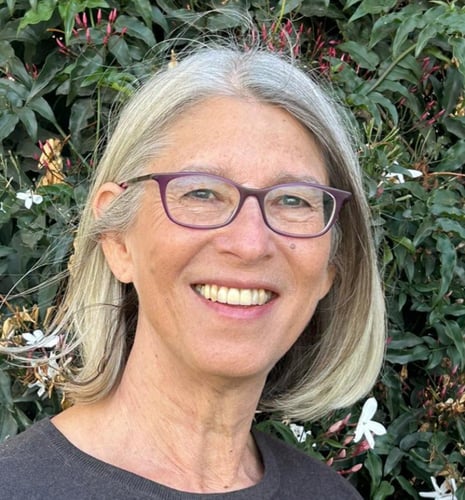
Abbie Rosner
Author, Psychedelics and the Counterculture of Aging
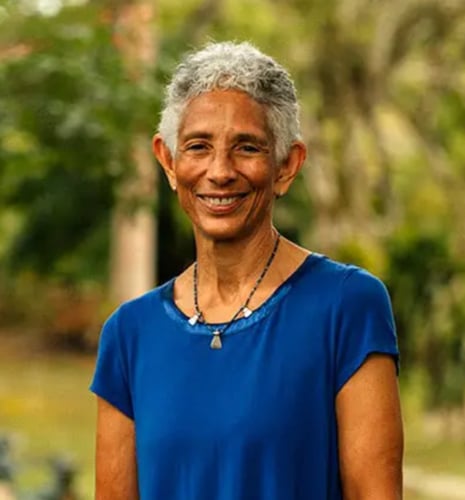
Dingle Spence
Beckley Retreats Lead Facilitator, Training in Oncology and Palliative Medicine